The House Always Wins? Why Smart Players Still Love iGaming
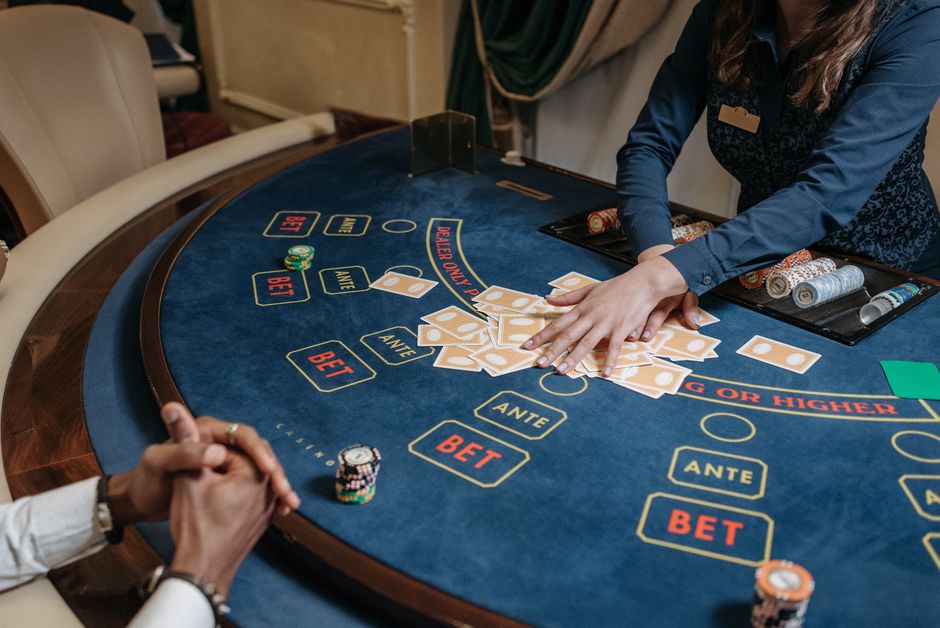
Walk into any casino on the Las Vegas Strip and you'll notice something strange. The people winning the loudest aren't the ones pumping hundred-dollar bills into slot machines. They're the ones who spent an hour studying a poker table before sitting down. That single observation explains almost everything about why iGaming has exploded into a market worth well over $100 billion globally — and why so many players still get it wrong.
Casino gaming, sports betting, slots, poker — they all live under the same umbrella, but they reward completely different skill sets. Treating them as one interchangeable hobby is the fastest way to lose your bankroll. Let's break down what actually separates the winners from the donors.
Slots: The Honest Math Nobody Wants to Hear
Slots are the cash cow of the industry. In most regulated markets, they generate 60–80% of casino floor revenue. They're also the simplest games and the hardest to beat, because there's no decision-making that changes the odds. Every spin is independent, and the house edge is baked into the math. slot dana goes into the finer points.
That said, not all slots are created equal. The difference between a 2% and a 10% house edge is enormous over hundreds of spins. Here's what actually matters:
- RTP (Return to Player): Look for 96% or higher. Many popular titles from Pragmatic Play, NetEnt, and Play'n GO sit in the 96.2–96.8% range. Some branded slots dip below 94%.
- Volatility: High-volatility slots pay rarely but massively. Low-volatility slots chip away at your balance slowly. Match the volatility to your bankroll, not your mood.
- Max win caps: A slot advertising a 50,000x max win usually has a brutal base game. The headline number is marketing, not math.
The uncomfortable truth is that slots are entertainment, not investment. If you're playing them expecting to grind a profit, you've already lost. Play for fun, set a loss limit, and treat any win as a bonus.
Poker: Where Skill Actually Pays the Bills
Poker is the only major casino game where a skilled player can consistently beat the house — because you're not playing the house. You're playing other people. The casino takes a rake, a small percentage of each pot, and steps out of the way.
That distinction is everything. A good cash game player at $1/$2 no-limit hold'em can realistically grind a win rate of 5–10 big blinds per hour. At higher stakes against weaker fields, that number can balloon. But poker is also brutally Darwinian. Bad players lose fast, which means the fish pool constantly shrinks and the competition gets tougher.
If you're getting into poker seriously, focus on three things:
- Position. Playing from the button versus under the gun is a completely different game. Position is worth more than any hand chart.
- Bankroll management. Never sit at a table with more than 5% of your total poker bankroll. Variance will humble you.
- Study, don't just play. Solvers, hand reviews, and tracker software separate serious players from recreational ones faster than any other tool.
Sports Betting: The Data-Driven Dark Horse
Sports betting has quietly become the most intellectually interesting corner of iGaming. Unlike slots, where math is fixed, betting lines are soft. Bookmakers set odds to balance action, not to reflect perfect probability. That gap is where sharp bettors live.
The rise of player prop markets, live in-play betting, and advanced analytics has turned sports betting into something closer to stock trading than gambling. Tools like closing line value (CLV) tracking now let bettors measure whether they're actually beating the market, regardless of short-term win-loss records.
A few things sharp bettors do that casuals don't:
- Shop multiple sportsbooks for the best line — a half-point on an NFL spread can swing thousands over a season.
- Bet into soft markets early before lines sharpen. Opening lines often have the most value.
- Ignore parlay hype. Correlated parlays have brutal margins that quietly erase edge.
- Track closing line value more than raw profit. It's a better predictor of long-term success.
Casino Table Games: The Middle Ground
Blackjack, baccarat, and roulette occupy an odd middle tier. They're slower than slots, more social than online poker, and require just enough decision-making to feel skillful — even when they aren't.
Blackjack is the standout. With perfect basic strategy, the house edge drops to around 0.5%, and with card counting, the player can actually gain a mathematical edge. But that's a rabbit hole most recreational players shouldn't dive into. Card counting is legal but rarely welcome, and modern shuffling machines have made it far harder than the movies suggest.
Baccarat is the opposite: pure chance, terrible odds on tie bets, but a bankroller-friendly 1.06% house edge on banker bets. Roulette, meanwhile, ranges from 2.7% (European single-zero) to 5.26% (American double-zero). If you play roulette, always choose European. It's not even close.
So What Actually Separates Winners From Losers?
After thousands of hands, spins, and slips, the pattern is clear. Players who walk away ahead tend to share a mindset, not a strategy. They understand what game they're playing and why. They know when the math is unwinnable — and play anyway, with capped losses. Or they know where edge exists — and grind it patiently, without chasing.
The worst thing you can do in iGaming is blur the lines. Playing poker like a slot puller. Betting sports like a lottery ticket. Thinking blackjack is a retirement plan. The industry thrives on that confusion. Your job is to refuse it.
iGaming isn't a rigged game — it's just a selection of very different games, each with its own rules, math, and traps. Learn the one you're playing. Respect the variance. And never bet money you'd be upset to lose, because the only guaranteed edge anyone has in this business is the house's.