How to Make a Simple Forged Bottle Opener
A forged bottle opener is the sort of thing that sits in a kitchen drawer for twenty years and gets used every Friday. It is also one of the best first projects you can take to the anvil. Short enough to finish in a session, forgiving of the odd stray hammer blow, and it teaches four core skills in one small piece: drawing out, punching, drifting and twisting. All you need is one length of round bar and a couple of hours.
Start With the Right Bar
Take 10mm or 12mm mild steel round bar and cut a length of 200–250mm. That gives you a working end, a section for the twist, and enough left over to hold comfortably in your hand.
Mild steel is the right choice. A bottle opener does not need hardness, and a piece of high-carbon or spring steel can chip at the thin lip where it matters most. Mild bar also forges happily across a wide range of temperatures, which is exactly what you want while you are still learning to read the fire. Offcuts from a fabricator's bin are usually inexpensive, and a short length is all this project asks for.
Square the cut end and take the sharp edges off with a file or a quick pass on the grinder. A burr on the end of a bar has a habit of finding your palm later.
Forging the Working End
The lip does two things: it slides under the crimped skirt of the crown cap, and its underside presses down on the top of the cap so the cap peels away as you lever. Get the lip right and the rest of the opener is decoration.
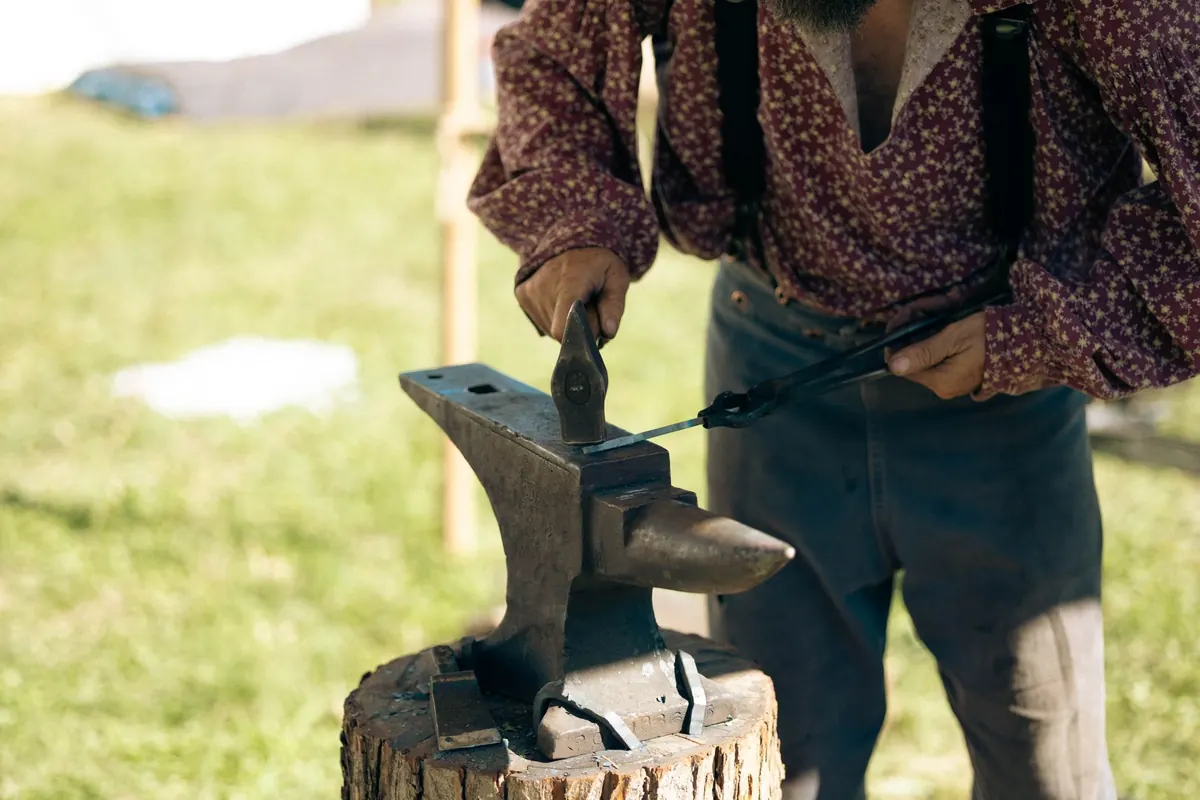
Heat the last 40mm or so to a bright orange and draw it out into a flat tongue, roughly 20mm wide and 3mm thick. Work both faces rather than hammering one side flat and calling it done — a tongue that tapers evenly from the bar into the flat will be far stronger and will not develop a fold. Keep it hot; mild steel worked below a dull red will crack at the edges.
Now curve the tongue back on itself over the horn of the anvil into a shallow hook. You are looking for something in the region of 30 to 40 degrees of curl, with a smooth inner curve. Bend it slowly and check as you go, because a hook that is too deep will crush the cap instead of lifting it.
Test the fit before you commit
Quench just the lip in water to cool it, then try it on a bottle. The hook should sit over the edge of the cap with the throat of the curve resting on the crown. If the lip is too thick to slide under the skirt, take it back to the fire and thin it a touch more. Doing this check now saves you from a lot of guesswork later.
Punching and Drifting the Hanging Hole
The hole at the tail is what makes the opener hang on a hook or a keyring, and it is a gentle introduction to punching.
- Heat the tail to a bright yellow. A dull orange is not hot enough — the punch will stick and the hole will tear.
- Set the bar over the pritchel hole or on a block of mild steel, and drive a round punch about 8mm across roughly two-thirds of the way through.
- Flip the bar and punch back from the other face until the two holes meet. This keeps the hole centred and avoids the blown-out crater you get from punching straight through in one go.
- Push a tapered drift through while the steel is still hot to true the hole and even out the walls. A slot punch instead of a round one gives you a more traditional oval opening.
Leave at least a hole's diameter of metal between the hole and the end of the bar. Punch any closer and the tail will stretch open like a split sausage. Reheat as often as the colour drops; forcing a cool drift through is how you bend the bar or jam the tool.
Adding the Twist
The twist is where a plain piece of bar starts looking like something you meant to make. Heat a band of 40–60mm in the middle of the bar to an even, bright orange. Even heat gives an even twist — a patchy heat band will produce a lumpy, drunken spiral that no amount of tidying will fix.
Grip the bar in the vice with the hot band well clear of the jaws, then put a twisting wrench or a large adjustable spanner on the other side. Turn steadily and watch the whole band rotate together. Ninety degrees gives a subtle kink; a full 180 degrees is bold and reads well from across a room. Count your turns so a second opener matches the first.
Once you are happy, quench the twisted section in water to lock it in, or cool the bar either side with a wet rag to stop the twist creeping outwards as the heat spreads.
Finishing With a Brush and Wax
Let the opener cool to a black heat — the point where it has stopped glowing but is still too hot to hold — then go over it with a wire brush. Brushing at this temperature leaves a smooth, soft grey surface that looks far better than any amount of grinding at room temperature.
While the metal is still warm, apply a thin coat of beeswax, paste wax or boiled linseed oil and buff it with a rag. Warm steel takes wax properly; cold steel just smears it about. That coat is what keeps rust off a tool that will spend half its life near water.
Small touches worth the effort
- Chamfer the hanging hole lightly with a countersink or a round file so it does not cut a cord.
- Ease the edges of the lip with a few strokes of a file. Sharp corners scratch bottle labels.
- Keep the twist zone and the lip in the same plane if you want the opener to sit flat in a drawer.
If It Does Not Work First Time
Bottle openers are unusually good at showing you exactly what went wrong.
- The cap will not lift. The lip is too thick to get under the skirt, or the hook is too shallow to grip.
- The cap crumples. The hook is too deep and is bearing on the middle of the cap rather than the edge.
- The lip snaps. The steel was worked too cold, or you used a hardenable grade instead of mild.
- The twist looks wrong. Uneven heat, or a heat band so short that the steel had nowhere to go.
Most of these are ten minutes at the forge to correct, which is the other reason this is such a good beginner's project: mistakes are cheap here.
Make One, Then Make Six
Forge the first one for yourself and use it for a fortnight. You will learn more about what your lip geometry should be from two weeks of opening bottles than from any amount of reading. Then make another, and another, and give them away. This is the project that turns a pile of scrap bar into Christmas presents, and each one takes less time than the last. Wear your eye protection, keep your tongs dry, and remember that a short piece of steel that has stopped glowing is still hot enough to burn. Test your work on a chilled bottle — that part is not a chore.
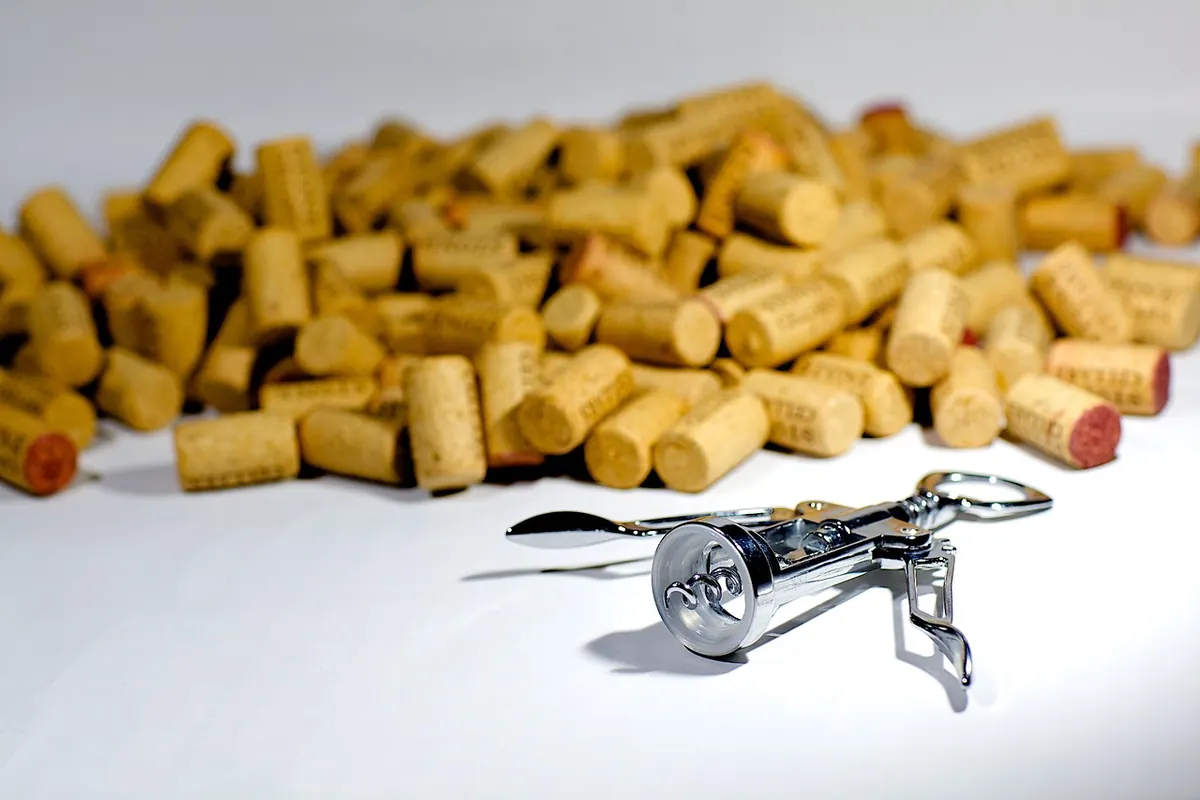
Photo: 783084 / Pixabay